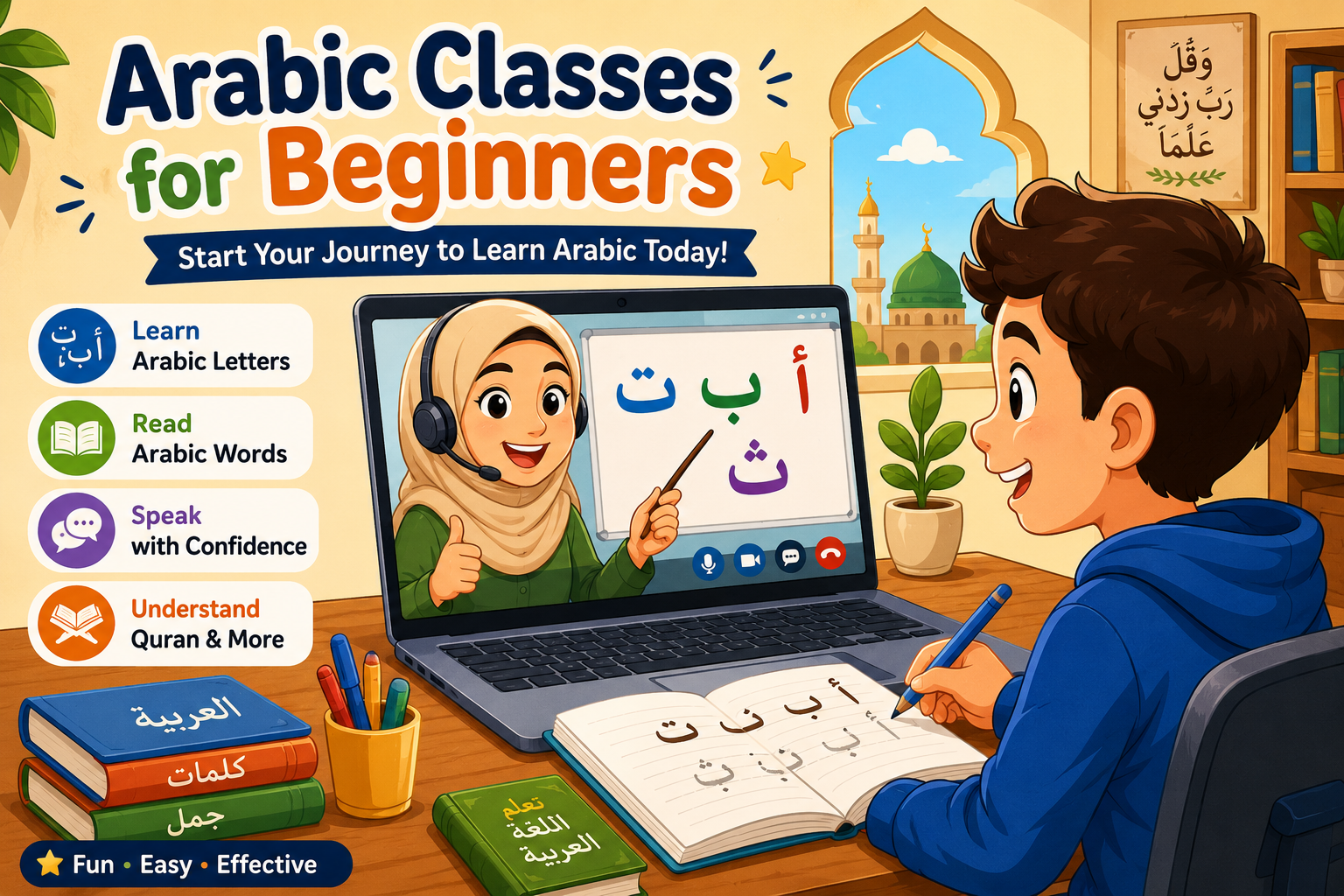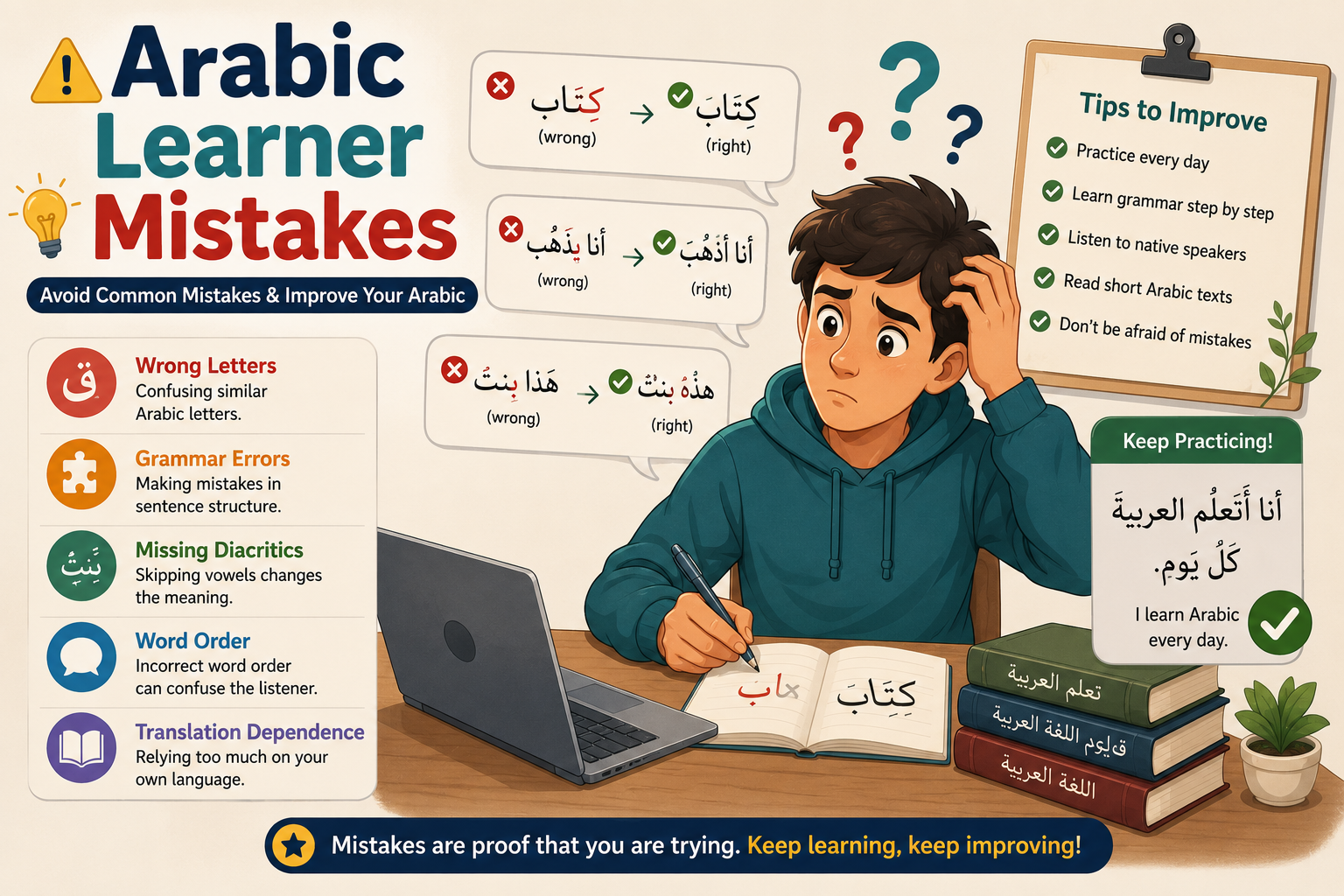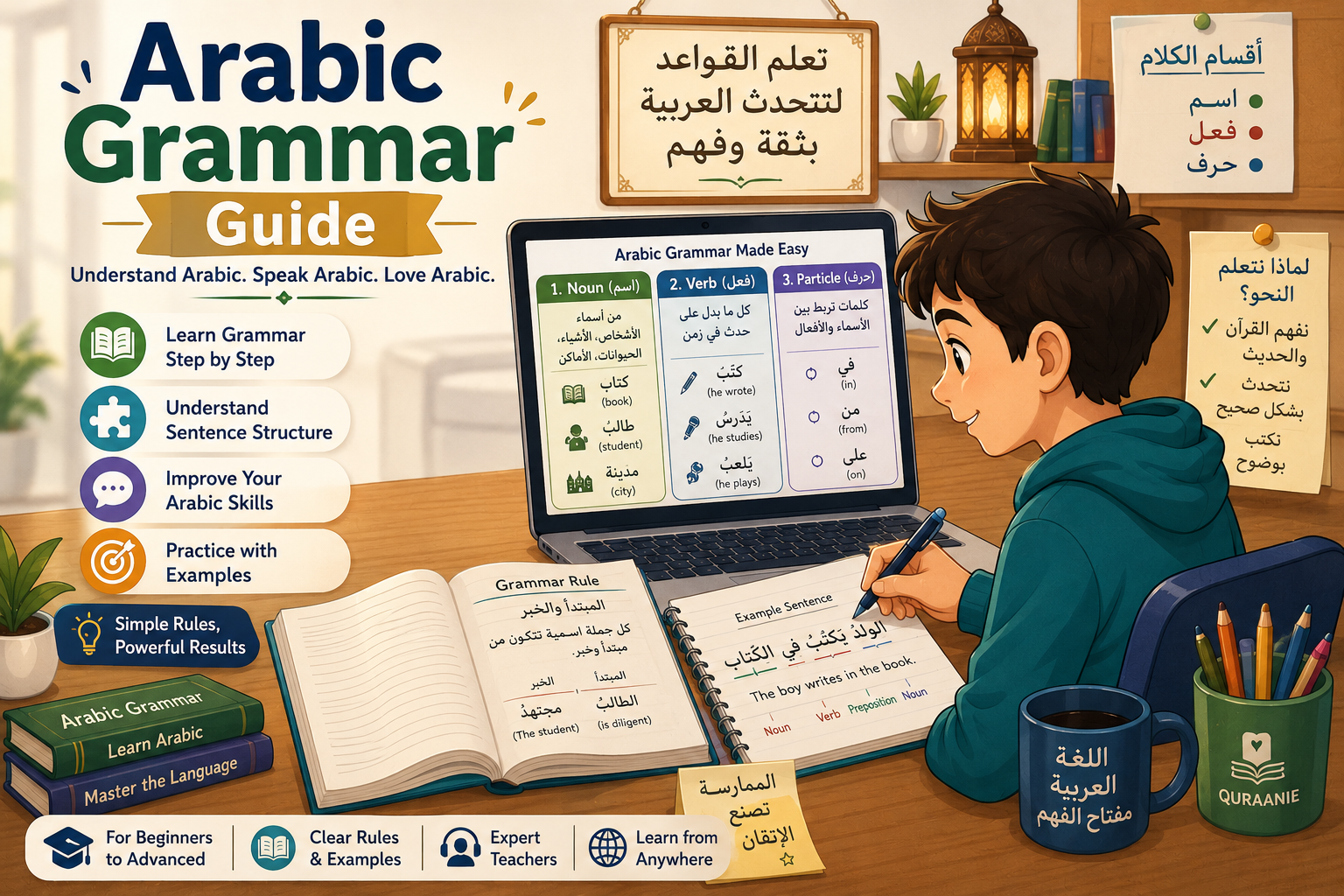
Reading Arabic is one of the most rewarding skills a person can develop. It opens the door to the Quran, centuries of Islamic scholarship, and a rich literary tradition. With the right Arabic reading course, anyone can learn to read Arabic fluently — regardless of age, background, or prior experience.
Why Learn to Read Arabic?
Arabic is the fifth most spoken language in the world, with over 400 million native speakers across the Middle East and North Africa. But beyond its widespread use, Arabic holds a unique spiritual and cultural significance that makes it unlike any other language on earth.
For Muslims, Arabic is the language of the Quran — the direct word of Allah as revealed to the Prophet Muhammad (peace be upon him). Being able to read the Quran in its original language, even without full comprehension at first, brings a depth of connection that no translation can fully provide. When you recite the words exactly as they were revealed, you participate in a tradition that has been preserved for over 1,400 years.
Beyond the spiritual dimension, reading Arabic unlocks access to a vast world of knowledge. Classical Islamic texts, poetry, literature, and historical documents are all written in Arabic. Learning to read Arabic is not just a skill — it is an invitation to one of the greatest intellectual and spiritual traditions in human history.
Who Is an Arabic Reading Course For?
One of the most common misconceptions about Arabic is that it is too difficult for non-native speakers to learn. The truth is that with the right method and a dedicated teacher, virtually anyone can learn to read Arabic. Here is who benefits most from a structured Arabic reading course:
- Beginners with no prior knowledge of Arabic who want to start from scratch
- Children at an early age when language acquisition is most natural and effective
Muslim adults who grew up in non-Arabic-speaking households and want to read the Quran independently
Converts to Islam who are taking their first steps toward reading the holy book in its original language
- Students of Islamic studies who need to access classical texts in Arabic
- Anyone with a passion for languages who wants to add Arabic to their repertoire
Whether your goal is to read the Quran, understand Islamic scholarship, or simply communicate in written Arabic, a reading course gives you the structured foundation you need to succeed.
What You Will Learn in an Arabic Reading Course
A well-designed Arabic reading course does not just teach you to recognize letters. It builds your skills layer by layer, ensuring that each new concept is reinforced before you move forward. Here is what a comprehensive curriculum typically covers:
The Arabic Alphabet
Arabic has 28 letters, each with up to four different forms depending on its position in a word — at the beginning, in the middle, at the end, or in isolation. Your first lessons will focus on recognizing and writing each letter in all its forms, building the visual familiarity that makes reading smooth and natural.
Vowel Marks (Harakat)
Unlike English, Arabic vowels are often written as small marks above or below the letters rather than as separate characters. Learning to read these marks — Fatha, Kasra, Damma, and their extended forms — is essential for accurate pronunciation and reading, especially in the Quran where all vowel marks are present.
Connecting Letters
Arabic is a cursive script, which means letters within a word are connected to each other. Learning how letters connect and which letters never join to the following letter is a crucial step that helps you read words as flowing units rather than isolated shapes.
Shaddah, Sukoon, and Tanween
These special marks affect how letters are pronounced. Shaddah doubles a letter, Sukoon indicates the absence of a vowel, and Tanween adds an 'n' sound at the end of words. Mastering these marks is key to reading any Arabic text accurately.
Reading Short Texts and Sentences
Once the foundational rules are in place, students move on to reading real words, short sentences, and eventually full paragraphs. This stage builds reading fluency and confidence, transforming isolated letter knowledge into genuine reading ability.
Reading Quranic Arabic
For many students, reading the Quran is the ultimate goal. Quranic Arabic has specific conventions and markings that differ slightly from everyday written Arabic. A specialized Arabic reading course will introduce these features so that students can read the Quran correctly and with confidence.
- The Benefits of Taking an Online Arabic Reading Course
Advances in technology have made it easier than ever to learn Arabic from the comfort of your own home. Here are the key advantages of choosing an online Arabic reading course:
Learn from anywhere in the world — Whether you live in London, New York, Jakarta, or Cape Town, you can access expert Arabic teachers without the need to travel or relocate.
Flexible scheduling — Online courses allow you to book lessons that fit around your work, school, and family commitments. Morning, afternoon, and evening slots are typically available.
Personalized learning — One-on-one sessions mean your teacher can identify your specific challenges and tailor lessons to address them directly, accelerating your progress significantly.
Consistent practice — Regular, scheduled sessions create a routine that makes progress steady and measurable. Many students are surprised at how quickly they advance with just a few sessions per week.
Access to the best teachers — Online platforms connect you with highly qualified, experienced teachers who might not be available locally. You are not limited by geography.
Affordable options — Online courses are often more affordable than in-person classes, with a range of pricing options to suit different budgets and learning goals.
- How Quraanie Makes Arabic Reading Easy
At Quraanie.com, we have spent years perfecting our approach to teaching Arabic reading online. We understand that every student comes with different goals, different challenges, and a different starting point — and our courses are built to meet you exactly where you are.
Here is what makes Quraanie's Arabic Reading Course stand out
Qualified and certified Arabic teachers with years of experience teaching students of all ages and levels
A structured, step-by-step curriculum that takes you from the very first letter all the way to fluent reading
- Live one-on-one sessions that give you personalized attention and real-time correction
Separate classes for children and adults, with teaching methods carefully adapted to each group
- Trial lessons available so you can experience the course quality before committing
Progress tracking and regular assessments to celebrate your milestones and keep you motivated
A supportive, encouraging environment where making mistakes is part of the learning process
Our teachers are not just skilled instructors — they are passionate about Arabic and about helping students experience the joy of reading for themselves. From the very first lesson, you will be making real progress.
- How to Get Started with Quraanie
Starting your Arabic reading journey is easier than you think. Follow these simple steps to enroll:
- Book a free trial lesson to meet your teacher and assess your current level
Choose your preferred schedule — we offer morning, afternoon, and evening slots
- Enroll in your chosen plan and begin your first official lesson
- Practice regularly between sessions and track your progress with your teacher's guidance
Within just a few weeks of consistent practice, most students are able to read basic Arabic words and sentences. With continued dedication, fluent reading is well within reach for anyone.
- Final Thoughts
Learning to read Arabic is one of the most meaningful investments you can make in your personal, spiritual, and intellectual growth. It is a skill that will serve you every single day — in your prayers, in your relationship with the Quran, and in your understanding of Islamic knowledge and culture.
You do not need to be young, have a natural gift for languages, or live in an Arabic-speaking country to succeed. All you need is the intention, the right guidance, and the consistency to keep showing up. Quraanie is here to provide everything else.
- www.quraanie.com | Online Arabic & Quran Classes